

Mine bonus bez depozytu Slot is a single mining-themed slot game, and what makes it worth a closer look is how lock-and-spin mechanics can alter the rhythm of a session. I handle it as a game-first review: theme, grid, win rules, RTP, volatility, bonus features, bet range, and max win. Because the title highlights lock and spin features, I will show how those features usually work, what they do to volatility, and how to test them without guessing. I will not assume every build has identical numbers. Instead, I will flag what to verify in the paytable and game info panel. If you prefer a practical read on Mine Slot rather than marketing language, this is the route I take, and I will keep the focus on the game itself rather than anything around it. That renders the advice usable whether you are exploring the demo or playing for real.
Reels, Paylines, and Ways to Win
Reels and paylines, paylines, and ways to win are the rules I verify before touching the spin button. Mine Slot’s exact layout belongs in the paytable, so I do not take for granted a standard five-reel, three-row setup just because it is typical. I check the number of reels and rows, then determine whether wins are paid on fixed paylines, adjustable paylines, or ways-to-win. Fixed lines are straightforward to budget because the cost per spin is stable; adjustable lines can reduce the stake but also reduce coverage. Ways-to-win usually pay for matching symbols on adjacent reels from left to right, and that changes how often you encounter a return. I also check whether scatter symbols pay anywhere, whether line wins must begin on reel one, and whether the lock-and-spin feature employs the same grid or a separate layout. Those details decide whether a near miss is genuinely close or just visual noise.
Lock-and-Spin Mechanics Stage by Stage
Lock-and-spin is the function I want to understand first, because it changes the decision-making around bet size. The main concept is straightforward: particular symbols lock into position, then you get respins while the locked group stays put on screen. If extra lock symbols land, the number of respins usually resets, and the game continues until the respins run out or the grid becomes full. In Mine Slot, I check whether the mechanic is initiated by a symbol count, a scatter combo, or a random occurrence, and whether it is purchasable directly where that option exists. I also verify whether pinned symbols bear cash values, multipliers, or jackpot tags, because that affects the feature’s ceiling. As comparisons, I contrast established lock-and-spin games from Relax Gaming and Push Gaming, but Mine Slot’s own paytable remains the reference. The following sequence is the one I apply to assess any lock-and-spin game without presuming details that are not in the paytable.
- Confirm the trigger and whether it can occur in the standard game.
- Note the initial respin number and reset rule.
- Examine what locked symbols are equal to and whether they merge.
- Hunt for multiplier icons, jackpot, or collector symbols.
- Confirm the feature cap and any win cap rule.
Mine Slot’s Design and Base Game Rhythm
On the base game, I start with the mining theme because it indicates what to expect from symbol hierarchy and pacing. Mine Slot uses a underground-gear aesthetic, so I check the paytable for the actual high and low symbols rather than guessing a gem is premium. I examine whether low symbols are card-based icons or mining tools, how often premium symbols occur, and whether the base game rewards frequently but small or rarely but larger. The pace matters: a base game that keeps the reels moving with modest returns makes lock-and-spin triggers appear like a genuine change of gear. I also watch for dead-spin clusters and near-miss teases, because those influence how volatile the session plays in practice. The theme is not just ornament here; it shapes the feature, and I use it to decide whether the game’s pace matches a short test or a longer session.
Bet Range, Max Win, and Fund Management
Bet range and top prize are where I get practical about budget. Mine Slot should show a wager tool with a lowest and highest stake, and I check both before spinning. The base indicates whether I can test the title inexpensively; the top tells me whether the slot is built for high-roller sessions. I do not expect a set amount, because the identical game can be set up variously across https://warszawa.tvp.pl/61022850/szpital-w-sierpcu-coraz-nowoczesniejszy-zakonczyla-sie-budowa-nowej-pracowni versions. Top prize is equally important: I seek a announced ceiling, whether it is shown as a times the bet or a specific value, and whether the lock-and-spin mechanic is the path to that ceiling. A high max win with low trigger frequency is not automatically better; it can lead to lengthy gaps. I also review whether any top award is fixed or increasing, because growing awards alter the risk level. I set a gaming fund, choose a bet that allows me to view enough spins for the mechanic to show up, and refrain from chasing a ceiling that the paytable does not definitely confirm.
Return to Player Fluctuation, and Session Expectations
Return to Player and variance are the two numbers I treat as preparation instruments, not promises. For Mine Slot, I check the in-game info panel for the published RTP because the same machine can be found in different versions with different numbers. If no value is provided, I regard any cited number as unverified. In the wider slot market, RTP often stands around 94% to 96.5%, but I do not apply that range onto this game. Volatility is easier to feel than to label: low volatility tends to generate common smaller returns, while high volatility depends on rarer, larger fluctuations. Lock-and-spin elements usually push a game toward the higher end because the mechanic can lengthen with each locked symbol. I assess volatility with a demo playthrough and observe how often the element activates, how long the base game halts, and whether my bankroll lasts long enough to experience the mechanism. That is more helpful than arguing about a single percentage point.
Wild symbols, Scatters, Multipliers, and Free Spin rounds
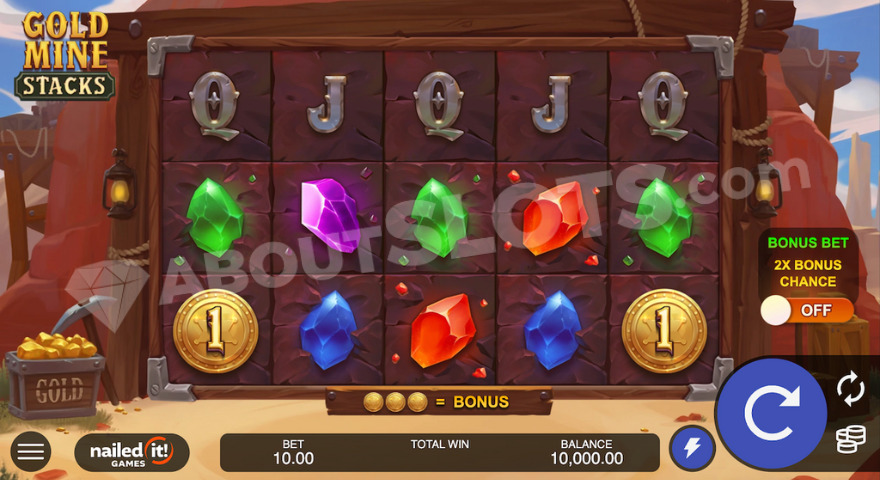
Wild icons, scatter icons, multiplier symbols, and bonus spins are the backup elements, and I check each of them on their own because they perform distinct roles. A wild symbol replaces regular symbols to form a win; a scatter usually activates or retriggers a bonus and can payout in any position. rzetelne źródło Multiplier icons can apply to line wins, bonus prizes, or the full game, so I confirm where exactly they attach. Free spin rounds may operate on the identical grid or a modified set of reels, and that distinction matters because a bonus-only reel configuration can alter variance. In Mine Slot, I check for if the lock-and-spin bonus is the main bonus or one of multiple, and whether free spin rounds can be re-activated. I also examine whether multipliers are additive or multiplied, because this is the difference between a small increase and a major limit. The list that follows is my fast feature review before I assess the game’s bonus frequency.

- Rules for wilds: coverage area and any attached multiplier.
- Rules for scatters: number to trigger, payment, and retrigger role.
- Free spins: beginning amount, re-trigger conditions, and reel changes.
- Multipliers: when they apply and if they combine.
- Feature limits: highest payout, reward cap, or round limit.
How to Play Mine Slot and Evaluate the Lock-and-Spin Match
To play Mine Slot, I launch in demo mode, open the paytable, and confirm the grid, win rules, RTP, volatility label, bet range, and feature triggers. Then I perform a short session at a low stake and note how often the lock-and-spin feature triggers, how many respins I obtain, and whether the locked symbols appear meaningful. I change stake only after I learn the pace. If the feature is the purpose I am playing, I verify whether it can be bought directly and what that prices relative to my budget. I also compare the base game’s hit rate with the feature’s payout profile, because a game can feel generous in the bonus and leave dry the base game. The objective is not to push a big win; it is to decide whether the lock-and-spin loop fits my tolerance for swings and my session length.
My key insight is that Mine Slot should be assessed by how its lock-and-spin loop works, not by a headline number alone. I would check the paytable first, try the feature in demo, and only then pick a stake that suits the volatility I actually observed. If the trigger feels too rare for your budget, shorten the session or move on; if the respin resets and symbol values match with your tolerance, the game has a clear place in a session. The concrete next step is simple: launch Mine Slot, read the info panel, and perform a low-stake test focused on the lock-and-spin round before increasing your bet. That single test shows you more than any promotional claim because it demonstrates the real trigger rhythm, the respin resets, and the magnitude of the feature payouts in the build you are actually playing.